

Online poker software should make the route from lobby to table obvious, especially when you are checking a new account from Western Sydney between work and dinner. The practical test is simple: can you find a format, understand the rules, set a comfortable limit and start playing without hunting through decorative menus? That experience matters more than a crowded rewards banner or an overconfident “best” label. This walkthrough examines how player-friendly online poker software handles navigation, localisation, search, currency and everyday account management for Australian adults. It is also worth glancing at buffalo slots free if you want a quick look at casual gaming outside the poker lobby.
Finding the Right Poker Lobby
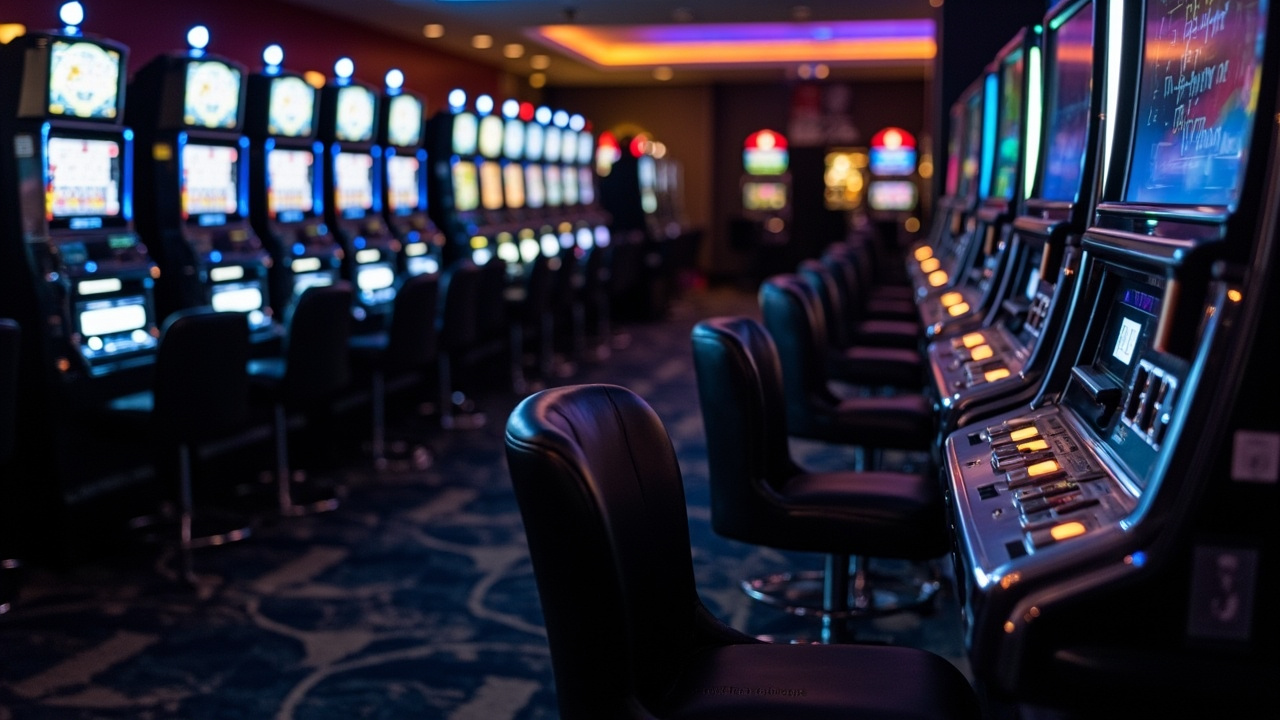
A good poker lobby answers three questions before commitment: What game is available? What stakes can I afford? Where is the table? Online poker software often tries to impress with animated panels, but practical clarity comes from organised information. Filters should separate formats such as cash games, tournaments and sit-and-go tables, while stake selectors should show the actual buy-in rather than hiding it behind a generic “play” button.
And which software can I trust to run the action smoothly? This online poker software review compares the leading platforms across games, stakes, security, and usability.
For Australian players, search must accommodate familiar language and patterns. Poker has its own vocabulary, yet the surrounding interface should still use Australian spelling where copy appears, including “colour”, “favour” and “licence” when the word is used as a noun. Currency filters should identify Australian dollars plainly, with other options clearly marked. A platform might support AUD, USD and EUR, but its own listing and payment language should tell Australian customers exactly what they will pay and how much it costs.
Navigation also needs to survive a crowded pocket. Table details should be readable at a glance, with blinds, buy-in, seat count and average pot size placed consistently. When a table is full, the waitlist status should be visible; otherwise, players can accidentally create a new queue and join the wrong one. The process should resemble a well-organised pub rather than a packed Melbourne tram: busy, but still navigable.
My background in esports operations makes me sceptical of interfaces that only work when someone explains them. A professional tournament lobby must remain comprehensible under time pressure. The same principle applies to recreational poker: clear hierarchy, sensible defaults and fast recovery from an accidental tap matter more than visual noise.
Here is the feature set I would expect from a serious Australian-facing poker platform:
| Feature | Clear player-facing specification |
|---|---|
| Poker formats | Cash games, multi-table tournaments and sit-and-go tables |
| Currency | AUD supported, with USD and EUR also available |
| Minimum buy-in | A$2 for cash-game tables |
| Mobile access | Responsive browser plus native apps for iOS and Android |
| Registration | Email or mobile number, followed by age and identity checks |
| Support | Live chat and email, available daily from 8:00 to 22:00 AEST |
| Loyalty | Monthly rakeback capped at AUD 300, calculated from qualifying poker play |
These are example specifications, not claims about a particular live operator. The important point is consistency: limits shown in the lobby should match the amount requested at the table, and payment information should not shift once a player enters the cashier.
Navigation, Localisation and Everyday Play
Building a Predictable Path to the Table
The strongest interface gets a player from account opening to a funded table in five deliberate steps: register, verify identity, choose a payment method, select cash games or tournaments, and join a table. Each screen should explain the next requirement without repeating every instruction from the previous one. Age verification may require a passport or driver’s licence; users must upload only the requested document through the secure verification flow and should never be encouraged to bypass it.
A useful poker lobby treats categories as connected decisions. Selecting “Tournaments” should reveal buy-in ranges, formats and starting times. Choosing “Cash games” should expose the blinds and table size directly. Search should work across game names without confusing them with casino titles. This separation matters because poker’s buy-in represents an amount placed at the table, while a slot balance is simply money available for spins.
Mobile design deserves equal attention. Thumb-sized filters should not sit beside small stake buttons, and critical information should remain visible without pinching. Tables can run in landscape, but the cashier, account controls and responsible-gaming settings should work comfortably in portrait mode. State persistence is another worthwhile detail: closing the app during a hand should not erase a selected stake or cause an accidental re-entry.
Support should distinguish a simple account question from a disputed transaction. Live chat handles quick navigation and cashier issues, while email suits document review. Published response targets create a useful benchmark; for this example platform, live chat replies within five minutes during operating hours, while email requests receive a response within one business day. Real assistance means resolving the actual problem, not sending a link back to the same page.
Making Language and Currency Work
Localisation is more than changing “color” to “colour”. A genuinely Australian poker interface explains late-night tournament times in AEST, shows fees in AUD and avoids presenting daylight-saving ambiguity as though every player shares one clock. If an event starts at 19:00 AEST, that label is useful; an unexplained “19:00” beside a UTC clock is not.
Currency handling should remain stable throughout the journey. A player who deposits AUD 50 should see AUD 50 deducted for a A$20 buy-in, with the remaining AUD 30 reflected in the balance. Conversion estimates can be offered, but they should include the rate and identify any conversion charge before confirmation. The platform should never let a player mistake an AUD amount for USD merely because the cashier opens in a different layout.
Poker-specific language should remain familiar without becoming obscure. “Fold”, “check”, “call” and “raise” belong at the table, while “available balance”, “buy-in”, “blinds” and “pending verification” should be unmistakable in account menus. Tooltips can explain a concept, but they should supplement – not replace – a plainly written label.
This approach reflects my experience leading iGaming products across international markets. Germany introduced a national online gambling framework in the early 2020s, reinforcing how much legal structure and market-specific rules can shape a product. The lesson for Australian poker software is not to copy another market’s controls. It is to design around local expectations while never implying that offshore casino play is licensed or regulated in Australia.
For a broader comparison of how reviewers assess these details, this Australian software review offers a useful second perspective on usability and player fit.
Connecting the Interface to Real Player Needs
A convenient interface saves effort only when it reduces uncertainty. Players should see their table history, rake information, bonus progress and active withdrawal requests in one account area rather than scattered across separate screens. A monthly rakeback programme, for example, might credit up to AUD 300 based on qualifying play during the previous month. That makes the calculation period and eligible portion clear; it does not make losses disappear or guarantee returns.
Loyalty mechanics work best when they describe ordinary play rather than encouraging unnecessary turnover. Cashback might apply automatically, while tournament tickets could unlock through set deposit-and-play milestones. The cashier should state whether a promotion has been applied, whether it requires a code and whether play-through conditions remain outstanding. Ambiguous bonus language creates more work than no promotion at all.
Responsible controls should be built into the same flow. Loss limits, deposit caps, session reminders and reality checks should be easy to reach before funding, not buried after a problem. A player setting a A$40 weekly deposit limit should receive a clear confirmation, and reaching that ceiling should stop further deposits rather than merely display a warning. Poker can involve repeated decisions, so friction around financial limits is especially important.
The software should also explain table availability without suggesting that more tables guarantee more value. Displaying a busy “featured” lobby does not make a weak interface easier to use. Likewise, a rabbit’s foot is a traditional gambler’s luck charm, but no interface can turn a superstition into a strategy. By contrast, the number eight is prized in Chinese gambling for sounding like wealth; it may carry cultural resonance, yet it should never determine stake selection or be presented as a mathematical advantage.
Search and saved preferences complete the practical picture. Filters can remember a preferred blind level or tournament buy-in, while a visible reset control prevents an old setting from causing confusion. A useful internal search should locate “sit-and-go”, a stake range or an active support request – not merely return an irrelevant set of sponsored games. For players checking availability from a Western Sydney suburb, mobile performance and clear geolocation messaging are equally important, but nobody should be told to evade a location restriction.
Practical Verdict for Australian Poker Players
The best online poker software for an Australian player is the platform that makes navigation, localisation and financial controls feel settled. It should identify AUD clearly, explain buy-ins, preserve filters, present support honestly and keep age, identity and location checks in the proper verification flow. My two decades across esports operations and iGaming product leadership lead me to value that consistency over cosmetic excitement. Test the lobby and cashier before depositing, inspect the limits and search tools, and choose the product that tells you what happens next. Play within your budget, and treat every poker decision as uncertain rather than a promised return.